Habitats
Loading level…
Available on App Only
Download the Zape Learning App to access this content.


What is a Habitat?
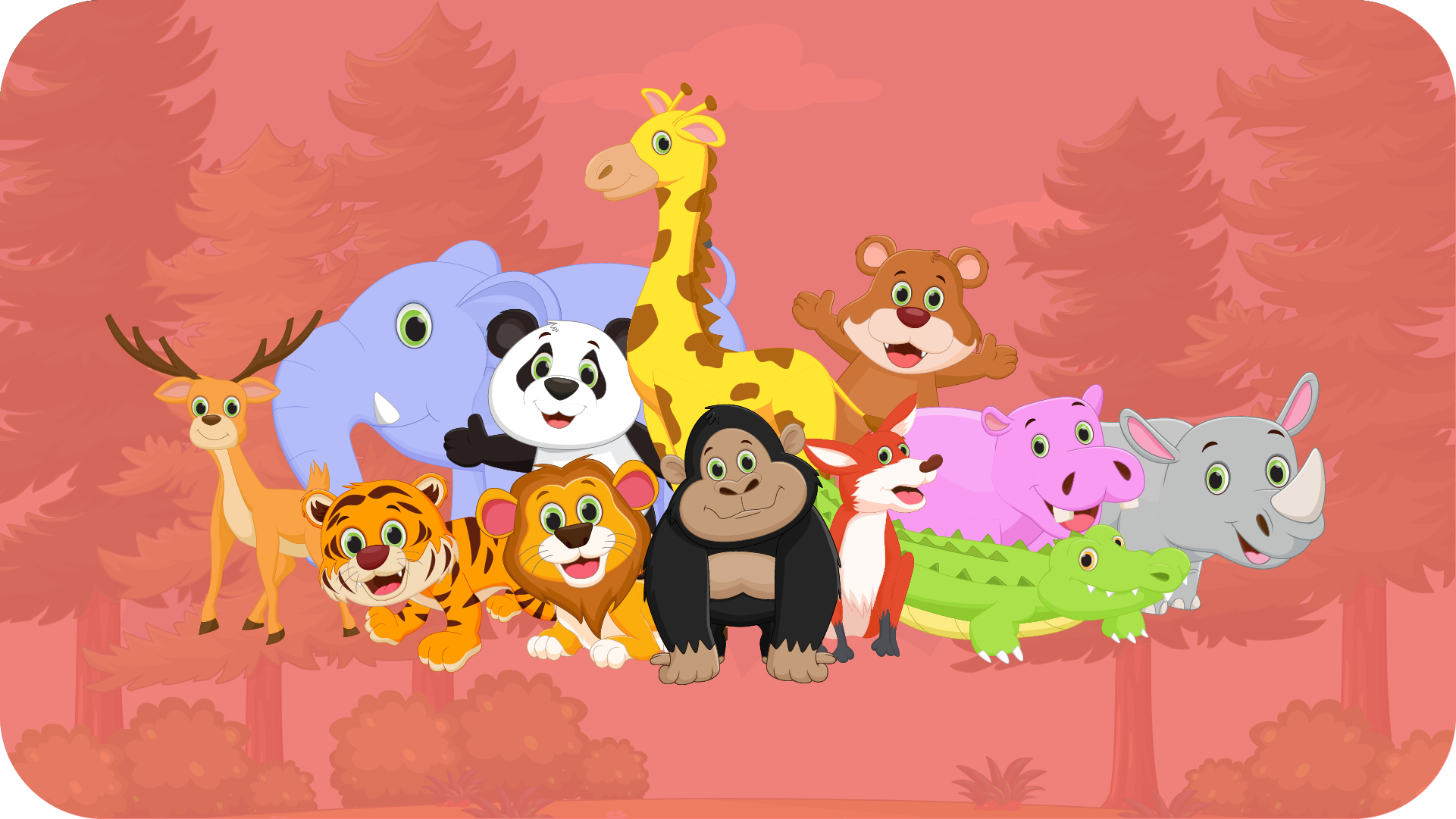
A habitat is the natural home or environment of a plant, animal, or other organism. It provides everything a living thing needs to survive: food, water, shelter, and space. Think of a habitat as an animal's neighborhood! There are many different types of habitats around the world, ranging from freezing cold to burning hot.
1. Terrestrial Habitats (Land) These habitats are found on dry land. The weather and plants determine which animals can live there.
Forests Forests are crowded with trees and plants. They can be temperate (having four seasons) or tropical (rainforests).
- Who lives here: Bears, deer, monkeys, and owls.
- Key Feature: Plenty of shade and wood for building homes.
Deserts Deserts are very dry and get very little rain. They can be hot during the day and cold at night.
- Who lives here: Camels, rattlesnakes, and cacti.
- Key Feature: Animals here must be experts at saving water.
Grasslands These are large, open areas covered in grass with very few trees. They are often called savannas or prairies.
- Who lives here: Lions, zebras, and elephants.
- Key Feature: Wide open spaces that allow animals to see predators from far away.
2. Aquatic Habitats (Water) These habitats are found in or around water.
Freshwater This includes ponds, lakes, rivers, and streams. The water is not salty.
- Who lives here: Frogs, ducks, trout, and beavers.
- Key Feature: These habitats provide water for land animals to drink too.
Marine (Saltwater) This includes the massive oceans and coral reefs. Most of the Earth is covered by this habitat!
- Who lives here: Whales, sharks, octopuses, and colorful coral.
- Key Feature: This habitat is divided into "zones" based on how much sunlight reaches the water.
3. Polar Habitats (Ice) Located at the very top (Arctic) and bottom (Antarctic) of the Earth, these are the coldest places on the planet.
- Who lives here: Polar bears, penguins, and seals.
- Key Feature: Most of the water is frozen into ice or snow.
Why Habitats Matter Every animal is specially "built" for its habitat. This is called adaptation.
- A polar bear would be too hot in the desert.
- A camel would have a hard time finding food in the Arctic.
When a habitat changes (like when trees are cut down or water gets dirty), the animals and plants that live there may lose their homes and struggle to survive.
Lesson Summary
- A habitat provides food, water, and shelter.
- Land habitats include forests, deserts, and grasslands.
- Water habitats include freshwater (lakes) and saltwater (oceans).
- Animals adapt to fit their specific habitat.